Interlocking Pavers vs. Poured Concrete for Commercial Properties
People seeking interlocking pavers installation for commercial properties often want durable, attractive surfaces, and local contractors can help them choose and install the best option.
Choosing the right paving material is an important decision for commercial property owners looking to enhance functionality and curb appeal. Whether considering interlocking pavers vs. poured concrete for commercial properties, property owners often weigh factors like durability, maintenance, and aesthetic appeal. This page is designed to help navigate those considerations and explore practical options that local contractors can provide, ensuring the best fit for specific project needs.
For those interested in the benefits of interlocking pavers installation services, understanding how they compare to poured concrete can reveal valuable insights. Local service providers skilled in paver installation can offer tailored solutions that address the unique demands of commercial spaces, from heavy foot traffic to long-term upkeep. Keep reading to discover how these options stack up and how trusted local contractors can assist in making an informed choice.
- Commercial parking lots - property managers seeking durable, low-maintenance surfaces often turn to interlocking pavers or poured concrete, with local contractors helping determine the best option based on traffic and longevity needs.
- Sidewalks and walkways - businesses requiring accessible, slip-resistant paths may consider interlocking pavers for design flexibility or poured concrete for cost efficiency, with local service providers providing expert installation.
- Driveways for commercial properties - owners wanting a resilient surface that withstands heavy vehicle use often consult local pros to choose between interlocking pavers and poured concrete based on durability and aesthetic goals.
- Outdoor plazas and public spaces - municipalities and developers looking for visually appealing, customizable surfaces frequently work with local contractors to install interlocking pavers or poured concrete, depending on project scope.
- Loading docks or service areas - businesses needing robust, long-lasting surfaces for heavy equipment rely on local pros to recommend and install the most suitable material for their operational demands.
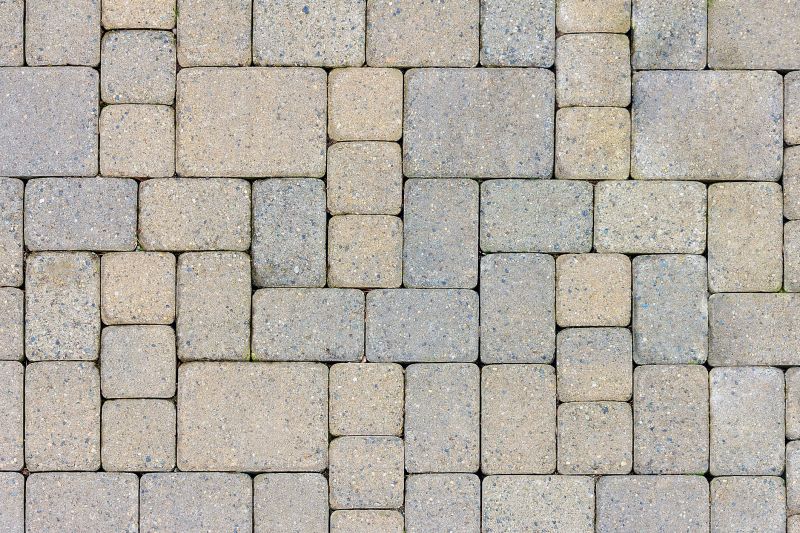
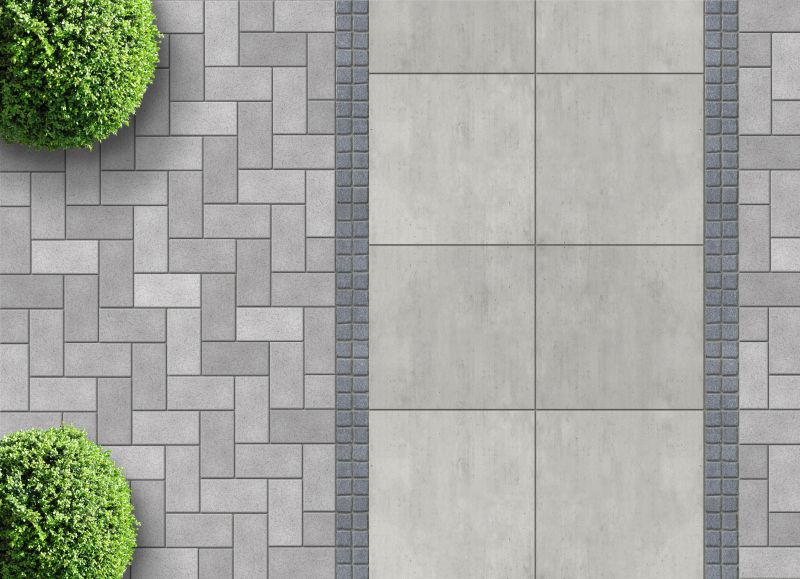
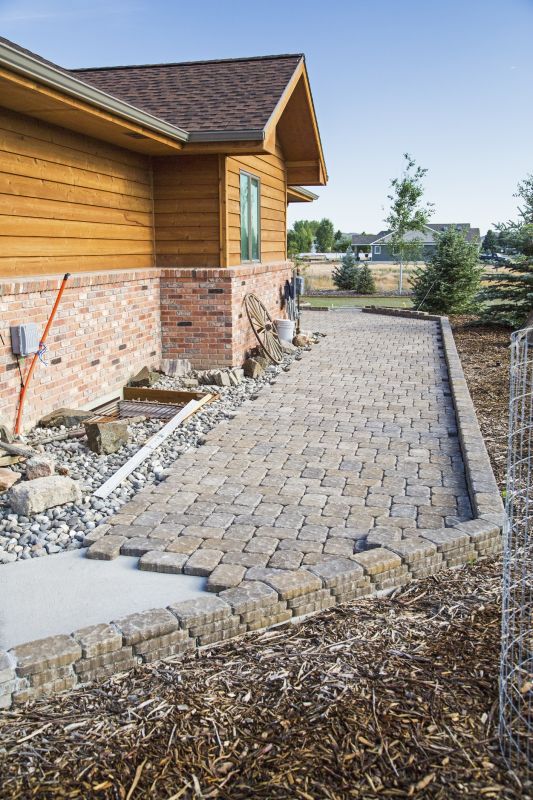
When researching interlocking pavers vs. poured concrete for commercial properties, most people are exploring options for creating durable, attractive outdoor surfaces such as parking lots, walkways, or plazas. The search often stems from plans to improve curb appeal, increase property value, or ensure long-lasting functionality in high-traffic areas. Property owners and managers want to understand the differences in appearance, longevity, and maintenance between these two materials to make informed decisions that align with their project goals. Local contractors specializing in paver installation or concrete work can provide insights into what works best based on the specific needs of a commercial space.
These topics are commonly associated with projects that involve large-scale outdoor surfaces, especially for properties like retail centers, office complexes, or industrial parks. Challenges such as heavy vehicle traffic, frequent foot traffic, and exposure to weather elements make the choice between interlocking pavers and poured concrete particularly important. Property owners might also be considering future expansion or aesthetic consistency, which can influence the decision. For those planning to install new parking lots, driveways, or decorative walkways, understanding the strengths and limitations of each material helps ensure the final result meets both functional and visual expectations.
Commercial properties that frequently come up in discussions about interlocking pavers vs. poured concrete include shopping centers, office parks, government buildings, and hospitality venues. These properties often require surfaces that can withstand constant use while maintaining a professional appearance. The choice of material can significantly impact maintenance needs, repair costs, and overall durability. Local service providers who specialize in commercial paving can assess the specific conditions of each property and recommend the most suitable material, whether that’s the flexibility and aesthetic options of interlocking pavers or the seamless, monolithic nature of poured concrete.
Understanding the practical differences between interlocking pavers and poured concrete helps property owners plan effectively for their outdoor spaces. Interlocking pavers are known for their ease of repair and ability to accommodate ground movement, making them ideal for areas prone to shifting or needing quick repairs. Poured concrete, on the other hand, offers a smooth, continuous surface that can be quicker to install and is often favored for its clean, uniform appearance. Local contractors experienced in both materials can guide property owners through the decision-making process, ensuring the selected surface aligns with the property’s functional demands and aesthetic preferences.
Driveway Paving Projects - local contractors experienced in driveway paving can apply similar skills when installing interlocking pavers or poured concrete for commercial parking areas.
Sidewalk and Walkway Construction - planning and laying out durable surfaces like sidewalks involve techniques common to both interlocking pavers and poured concrete installations.
Patio and Outdoor Space Design - designing outdoor patios requires knowledge of surface materials and installation methods used in interlocking pavers and poured concrete projects.
Landscape Hardscaping - creating hardscaping features such as plazas or courtyards involves planning and construction skills relevant to both interlocking pavers and poured concrete surfaces.
Commercial Flooring Installation - installing durable flooring in commercial settings shares planning and material considerations with interlocking pavers and poured concrete work.
Retaining Wall Construction - building retaining walls often involves similar planning and material handling skills as those used in interlocking pavers and poured concrete surface projects.
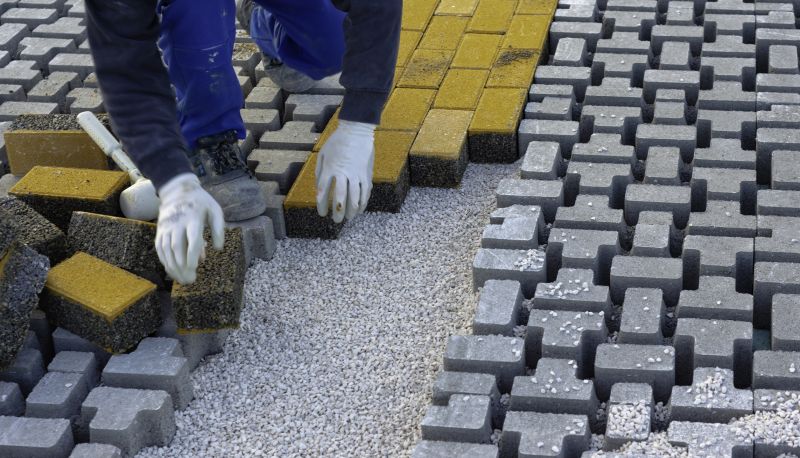
When comparing local contractors for interlocking pavers installation versus poured concrete for commercial properties, it is important to consider their experience with similar projects. Homeowners should look for service providers who have a proven track record of handling interlocking pavers or poured concrete installations in commercial settings. This experience can indicate familiarity with the unique requirements and challenges of such projects, ensuring that the chosen contractor understands the specific demands of commercial properties. Reviewing portfolios or project histories can help gauge their familiarity with the materials and techniques involved, providing confidence that they can deliver results aligned with the project's scope.
Clear and detailed written expectations are essential when evaluating potential service providers. Homeowners should seek contractors who can provide comprehensive proposals that outline the scope of work, materials to be used, project timeline, and any other relevant details. This clarity helps prevent misunderstandings and ensures that both parties are aligned on the project's objectives. Well-documented expectations also serve as a reference point throughout the project, making it easier to address any questions or concerns that may arise during installation. Choosing a contractor who emphasizes transparent communication can contribute to a smoother process and a more satisfactory outcome.
Reputable references and good communication are key factors in selecting the right local contractor for interlocking pavers or poured concrete projects. Homeowners should inquire about previous clients or projects similar in size and scope to theirs to gain insight into the contractor’s reliability and quality of work. Additionally, effective communication throughout the process-from initial consultations to project completion-can help ensure that expectations are met and issues are addressed promptly. Service providers who are responsive, transparent, and willing to answer questions are more likely to deliver a positive experience, leading to a successful installation that meets the specific needs of commercial properties.
Property owners often search for interlocking pavers vs. poured concrete for commercial properties when they are planning practical projects around their homes and businesses. Local pros provide Interlocking Pavers Installation services for everyday jobs and straightforward project options.
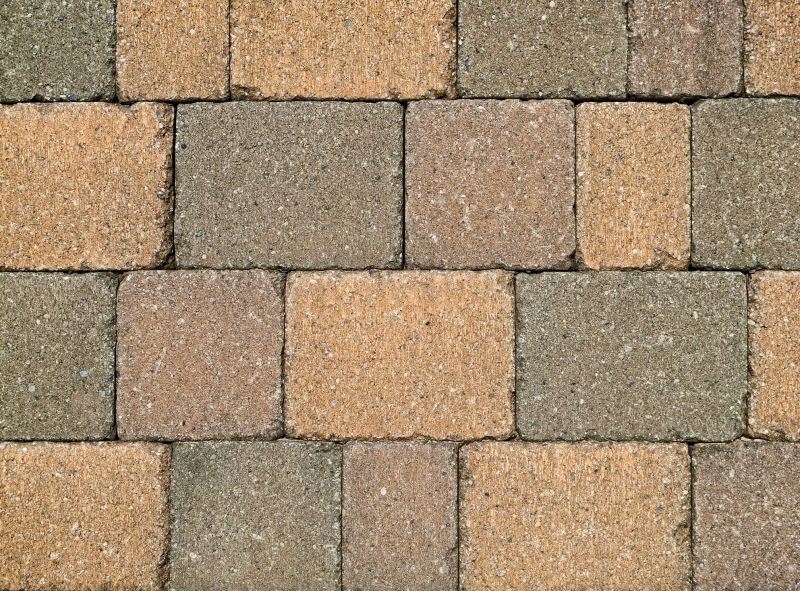
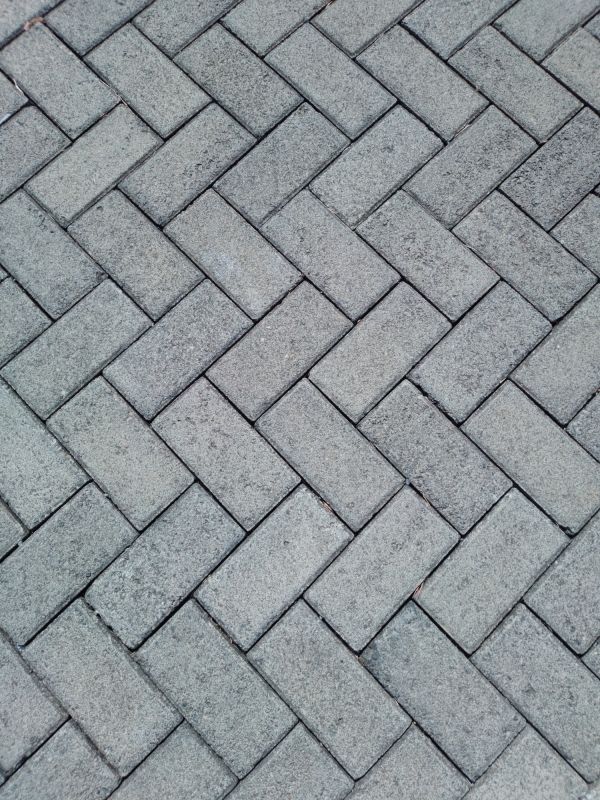
When considering surface options for commercial properties, property owners often weigh the benefits of interlocking pavers versus poured concrete. Interlocking pavers are known for their durability and visual appeal, making them a popular choice for walkways, parking lots, and outdoor seating areas. They are relatively easy to repair-individual pavers can be replaced if damaged-without needing to redo the entire surface. On the other hand, poured concrete offers a seamless, smooth finish that can be customized with various textures and colors, making it a straightforward solution for large, flat surfaces. Local contractors experienced in installing both options can help property owners assess which material best suits the specific needs of their property.
Many property owners look into this topic when planning renovations or new installations, seeking options that balance cost, longevity, and aesthetic appeal. Interlocking pavers often appeal to those wanting a surface that can handle heavy foot traffic and vehicle use while adding visual interest to outdoor spaces. Poured concrete may be preferred for its quick installation and uniform appearance, especially in areas where a sleek, modern look is desired. Local service providers who specialize in interlocking pavers installation can assist in evaluating the advantages of each material, offering guidance tailored to the unique demands of commercial properties and helping owners make informed decisions.
How does the durability of interlocking pavers compare to poured concrete for commercial properties? Interlocking pavers are generally more resistant to cracking and damage caused by ground movement, making them a durable choice for high-traffic commercial areas. Poured concrete can develop cracks over time due to settling or temperature changes, potentially requiring repairs.
What maintenance considerations are there for interlocking pavers versus poured concrete? Interlocking pavers typically require periodic cleaning and re-sanding of joints to maintain their appearance and stability. Poured concrete may need sealing and crack repairs over its lifespan, but generally involves less ongoing maintenance.
Can local contractors customize the look of interlocking pavers compared to poured concrete? Yes, interlocking pavers offer a variety of shapes, colors, and patterns, allowing for more design flexibility. Poured concrete can be colored and textured but is less adaptable in creating intricate patterns or styles.
Are interlocking pavers or poured concrete better for areas with heavy loads or vehicle traffic? Interlocking pavers are often preferred for heavy loads and vehicle traffic because they distribute weight evenly and can be replaced individually if damaged. Poured concrete may develop cracks under heavy loads and can be more costly to repair.
How do installation processes for interlocking pavers compare to poured concrete for commercial projects? Installation of interlocking pavers involves preparing the base, laying out the pattern, and fitting the pavers together, which can be more flexible and forgiving. Poured concrete requires precise formwork and curing time, which may be more time-consuming and less adaptable during installation.
Durability considerations - Property owners can evaluate the long-term wear of interlocking pavers versus poured concrete for commercial properties to choose the most resilient option with the help of local contractors.
Design flexibility - Business owners can explore creative layout options and patterns using interlocking pavers for aesthetic appeal, with local pros providing installation expertise.
Installation challenges - Commercial projects can benefit from understanding the complexities of installing interlocking pavers compared to poured concrete, ensuring proper planning with local service providers.
Maintenance needs - Property managers can consider ongoing upkeep requirements for each surface type, with local contractors offering guidance on maintaining interlocking pavers for commercial use.
If you are thinking about interlocking pavers vs. poured concrete for commercial properties for a property, this guide is meant to help you understand this topic, the typical project types, and how different options might fit your plans.
When you are ready, you can use the quote form on this page to share a few details about your project. From there, local pros can review the basics and follow up with options that match what you have in mind.